Outdoor Maintenance,
Equipment Safety and Liability
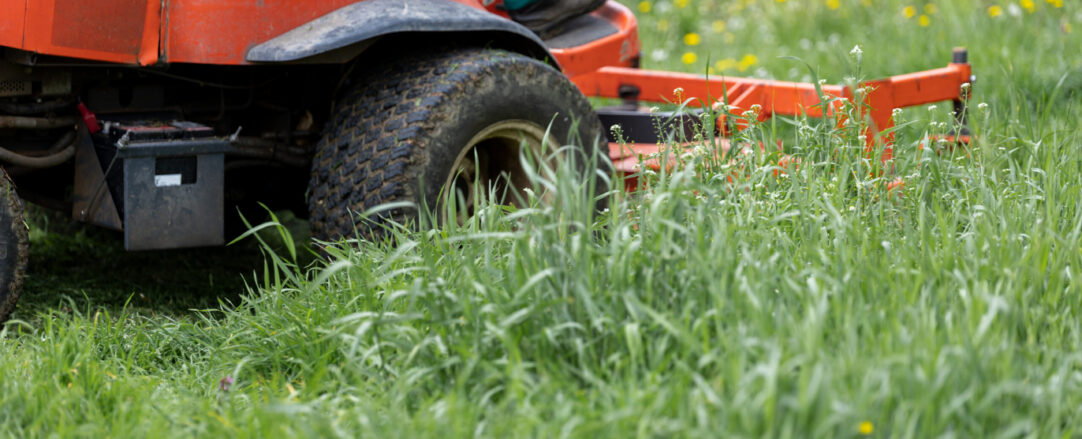
As the weather improves, outdoor spaces start getting the attention they’ve been waiting for. Lawns are cut, hedges trimmed, and general maintenance ramps up across business premises both outdoors and indoors. It’s a positive seasonal shift but it also brings a set of risks that are often underestimated. Time to review risk assessments for many annual tasks!
From an insurance perspective, this is where both Public Liability and Employers’ Liability come into sharper focus.
Safe Use of Grounds Maintenance Equipment
Let’s start with equipment. Lawn mowers, strimmers, and other powered tools and machinery are essential but they’re not without hazard. Improper use can lead to injuries ranging from cuts and eye damage to more serious incidents involving moving parts or projectiles. Even something as routine as mowing can pose a risk if equipment isn’t well maintained or operators aren’t properly trained.
Simple controls go a long way: pre-use checks, appropriate PPE, and ensuring guards and safety features are in place. Just as important is making sure anyone using the equipment understands how to do so safely, whether they’re employees or temporary staff.
Insurance Solutions
You Can Trust
Safer Grounds, Lower Risk
Taking proactive steps to manage outdoor maintenance and site safety helps reduce potential Public Liability exposure, while protecting employees, visitors, and the public from avoidable harm.
Managing Contractors and Site Responsibility
Contractors are another key consideration. Many businesses bring in external grounds maintenance teams, but responsibility doesn’t disappear at the gate. Managing contractors safely means carrying out due diligence, checking competence, insurance, and risk assessments, and ensuring there’s clear communication about site-specific hazards.
Protecting Others on Site
Understanding Public Liability Risk
This is where Public Liability exposure becomes very real. A simple slip, trip, or contact injury on your premises can quickly turn into a claim if reasonable precautions aren’t in place.
Practical steps? Use clear signage, cordon off work areas where necessary, and plan maintenance during quieter periods to reduce exposure. It’s about thinking ahead—who might be affected, and how can that risk be minimised?
Turning Routine Maintenance into Safe Practice
Ultimately, outdoor maintenance is a routine task, but it shouldn’t be a routine risk! With the right controls, clear responsibilities, and a bit of forward planning, businesses can keep their premises looking their best without compromising on safety.
A well-maintained space should never come at the cost of someone getting hurt. Housekeeping and routine maintenance tasks are often underestimated when it comes to safety, particularly in protecting those who aren’t directly involved in the work itself. It’s easy to focus on the task at hand and overlook the wider environment, but this is where many risks emerge. Taking the time to carry out dynamic risk assessments, alongside clearly segmenting pedestrian areas during maintenance activities, is a fundamental part of a safe system of work. These simple, proactive steps help reduce exposure, manage movement around the site, and ultimately prevent avoidable incidents before they happen.