Water Leak Detection: A Small Device That Could Make a Big Difference
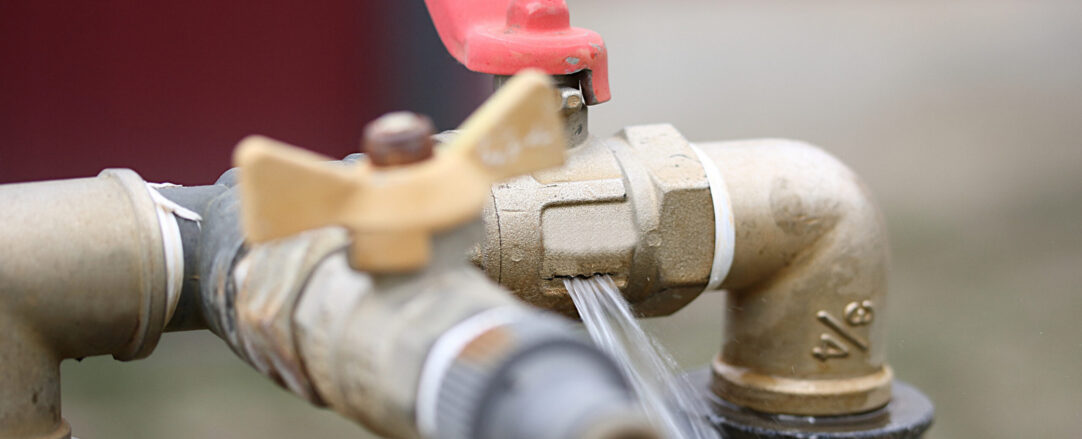
A leaking pipe, failed appliance or overflowing water system can cause significant disruption to a home, particularly when the problem is not discovered straight away.
Water leak detection technology can provide an additional line of defence, helping homeowners identify a problem earlier and, in some cases, automatically shut off the water supply before the damage becomes more extensive.
What types of water leak detection are available?
There are several options, ranging from simple standalone sensors to sophisticated whole-home systems.
- Point sensors
Small sensors can be positioned in areas where leaks are more likely, such as beneath sinks or alongside washing machines and dishwashers. When water reaches the sensor, it triggers an alarm. Their simplicity can be an advantage, although they will only identify water that reaches the sensor itself. - Leak detection cables
Rather than monitoring one particular point, sensing cables can cover a larger area. This can make them useful where there is a wider area of potential exposure. - Smart leak detectors
Connected devices can provide alerts when a leak is detected, allowing homeowners to be notified even when they are away from the property. When choosing a system, it is worth checking how notifications work and whether they depend on Wi-Fi, a hub, cloud services or batteries, as there are advantages and more importantly disadvantages to different types. - Water flow monitoring
Instead of waiting for escaped water to reach a sensor, flow-based systems monitor the volume and duration of water passing through a property’s pipes. They can identify unusual patterns of water use against predetermined thresholds. This can be especially helpful when the property is unoccupied for long periods of time. - Automatic water shut-off systems
Some systems go a step further. When a leak or abnormal water flow is detected, a motorised valve can isolate the water supply, helping to limit the amount of water that escapes. These solutions can specifically be designed for larger and more complex residential properties.
What are the benefits?
Perhaps the most obvious advantage is early detection. The sooner a leak is identified, the sooner action can be taken.
For properties that are regularly unoccupied, such as second homes, the ability to receive a remote alert can be particularly useful. An automatic shut-off system offers an additional level of protection because it can respond by isolating the water supply rather than relying solely on someone seeing or responding to an alert.
Different technologies can also work together. For example, individual sensors can monitor particularly vulnerable locations while flow monitoring provides wider oversight of water usage throughout the property.
Are there any drawbacks?
Not all leak detection systems provide the same level of protection.
A basic sensor may alert you to the presence of water but cannot stop the leak itself. It also needs to be positioned somewhere the escaped water will actually reach.
Smart devices may rely on batteries, connectivity or associated apps and services, so these should be considered when choosing a system.
More comprehensive flow-monitoring and automatic shut-off systems can provide broader protection, but they are typically more complex. Plumbing compatibility, appropriate settings and the potential need for professional installation should all be considered.
Which option is right for your home?
There is no single solution suitable for every property. The appropriate approach will depend on factors such as the size and complexity of the home, how frequently it is occupied and the areas most vulnerable to water damage.
As a simple starting point, consider three levels of protection:
- Detect: strategically positioned sensors provide an alarm when water is detected.
- Alert: connected technology notifies you when a potential problem is identified.
- Act: Motorised valve systems can help limit damage by shutting off the water supply when unusual water use is detected. Systems may automatically detect and isolate the supply, or alert the homeowner so the valve can be activated remotely.
For larger, high-value or frequently unoccupied properties, a manual motorised valve allows users to turn the water supply on and off simply through the click of a button. Before installation it is worth seeking professional advice on the solution that could best suit your needs.
A simple step that could help protect your home
Technology cannot eliminate the possibility of an escape of water, but the right detection system can provide valuable early warning and, with an automatic shut-off system, intervene when a potential problem is detected.
For homeowners looking at ways to strengthen the resilience of their property, water leak detection is worth considering alongside regular property maintenance and other preventative measures.
If you would like to find out more about how to reduce risk in your home, our specialist team at Brown & Brown can help. We have expert in-house risk management and claims teams, who can help you advise you on risk improvements to your home and where appropriate, can help make introductions to our network of specialist suppliers.