Contractors & Rural Trades Insurance Solutions
Cover for land-based work
Overview
Clear understanding of working patterns helps shape arrangements that reflect real activity across rural environments, supporting continuity as jobs, contracts, and responsibilities evolve over time.
Ready to help minimise your risk and uncertainty?
Request a Quote.
How We Can Help
We begin by learning how your work operates in practice, including the types of sites you attend, equipment used, and the nature of your contracts. Our teammates then explore insurance solutions that reflect these working conditions and explain how different elements apply. We focus on clarity around liability, tools, vehicles, and working environments. As your business develops, we stay available to review changes and adjust arrangements where needed. This creates a practical approach that reflects real working life rather than fixed categories. The aim is to support steady, informed decisions as your contracting or rural trade work evolves over time.
Request a Quote
- Simple & Efficient – Request a quote now
- Trusted Advisors – Nationwide specialists
- Exceptional Service – Rated by real customers on Feefo
Why Choose Us
Your Questions, Answered
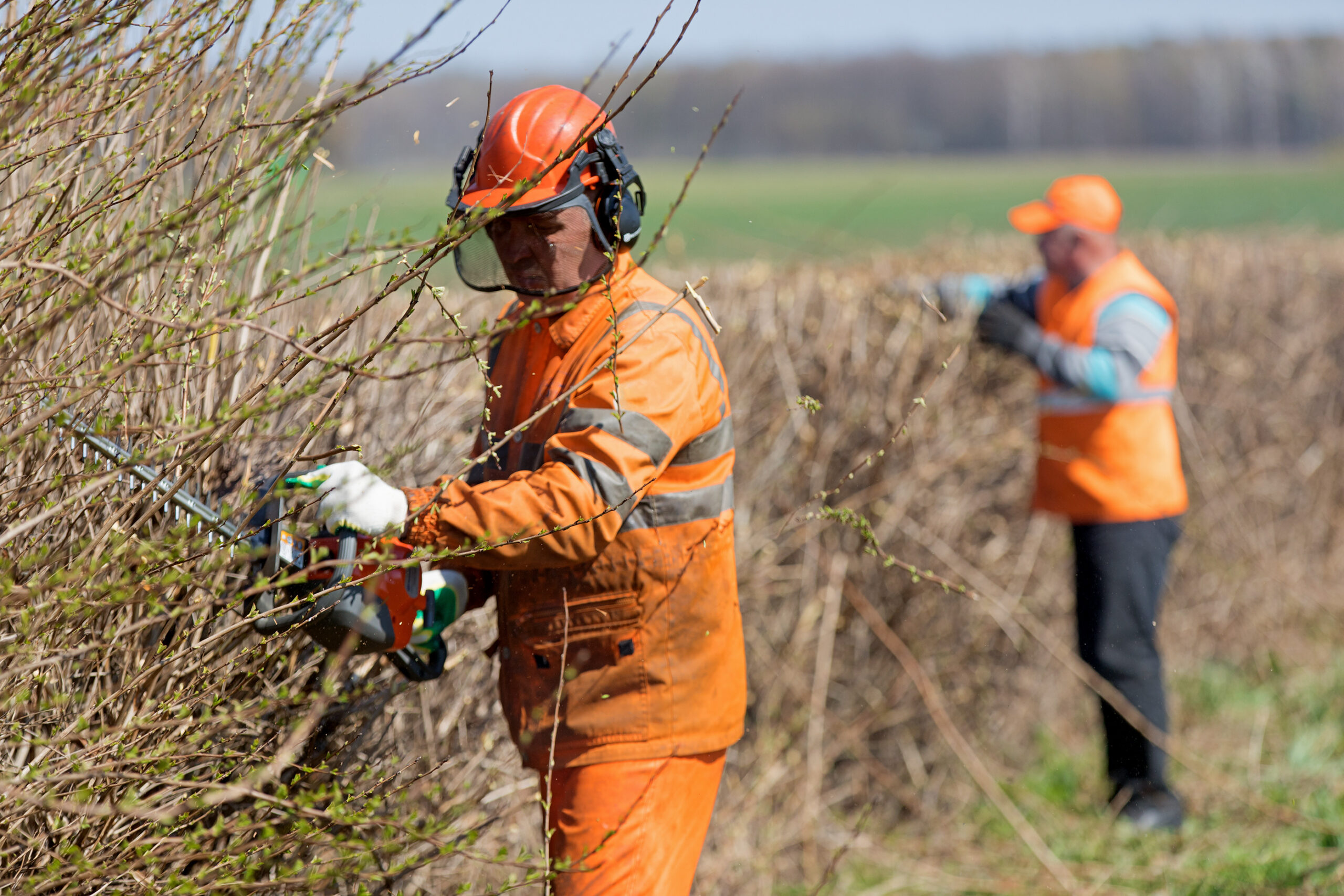
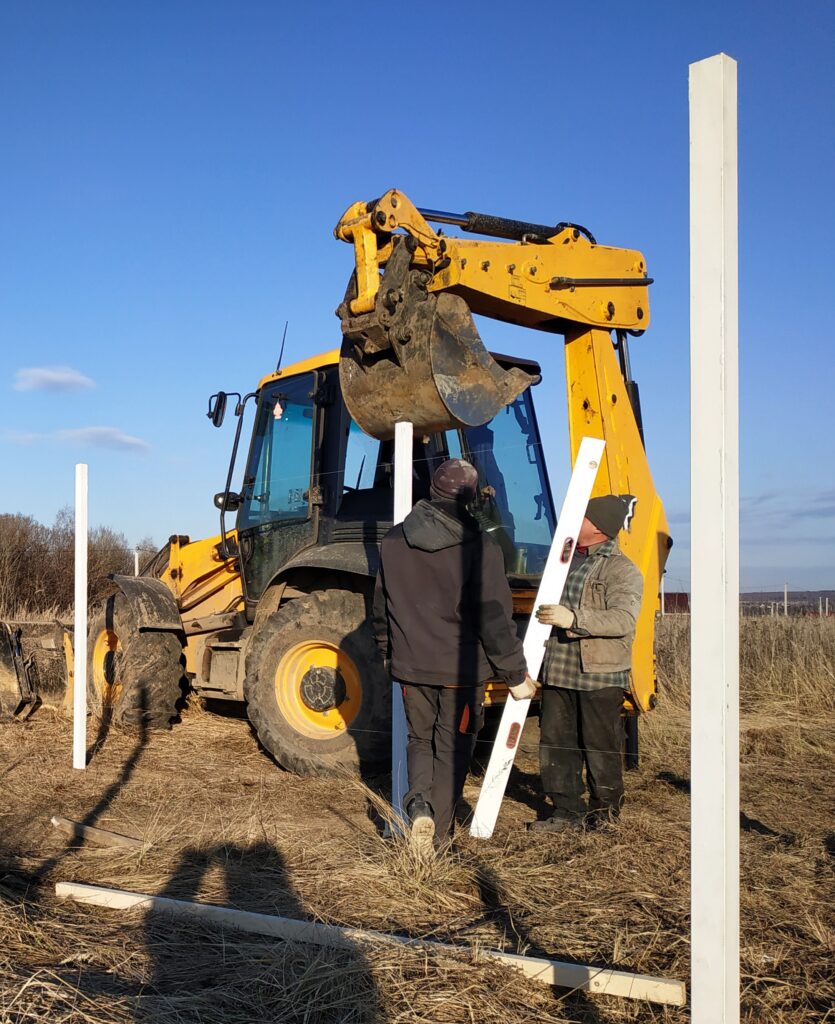
Rural trades cover a wide range of land-based activities, including fencing, groundwork, hedge cutting, drainage work, and estate maintenance. It can also include agricultural contracting and support services across farms and rural properties. The common factor is practical work carried out in outdoor or site-based environments. We help review how your work operates so it can be clearly understood. Different insurers may view activities in different ways, so detail matters. The aim is to reflect real working practice rather than labels, ensuring your arrangements match the actual tasks and environments you work in across rural locations.
Public liability is often a key consideration for contractors due to the nature of working on third-party sites such as farms, estates, or private land. Work environments can vary widely, and responsibilities may differ depending on the contract. We help review how your work is carried out so potential exposures are understood clearly. The structure of liability arrangements can differ between insurers, so wording is important. The focus is on aligning arrangements with real working conditions rather than assumptions. This supports clearer understanding of how responsibilities may arise during day-to-day contracting and rural trade activities across varied job sites.
Tools and vehicles are often central to rural trades work, but how they are included depends on the specific arrangement. Equipment may be used across multiple sites, and vehicles often play a key role in transport between jobs. We help review how these are used in practice so they are properly considered. Different insurers approach these elements in different ways, so detail matters. The aim is to reflect how your work actually operates rather than applying a standard template. This helps create clarity around equipment use, movement between sites, and operational requirements across rural contracting activities.
When a claim arises, the process depends on the circumstances and the insurer involved. The priority is to gather accurate information quickly and report the situation clearly. We support this process by helping you understand what information is needed and how to communicate with insurers. Our teammates assist throughout, helping interpret policy wording and next steps. The aim is to keep the process as clear as possible during what can be a challenging situation. Regular review of arrangements can also help reduce uncertainty by keeping details aligned with how your contracting work operates in practice over time.