Farm Fleet Vehicle Insurance Solutions
Cover for agricultural vehicles
Overview
Clear thinking around fleet use helps support smoother management and keeps arrangements aligned with the realities of modern farming across varied terrain, seasons, and working pressures throughout the UK.
Ready to help minimise your risk and uncertainty?
Request a Quote.
How We Can Help
We start by looking at how each vehicle in your farm fleet is used, including where it operates, who drives it, and what tasks it supports. Our teammates then explore insurance solutions that reflect these practical working conditions. We focus on clarity across tractors, trailers, and utility vehicles, helping you understand how different arrangements compare. As your fleet changes through replacement, expansion, or seasonal use, we stay involved to help review and adjust where needed. This creates a straightforward approach that reflects real agricultural activity, supporting informed decisions and keeping arrangements aligned with the rhythm of farm operations over time.
Request a Quote
- Simple & Efficient – Request a quote now
- Trusted Advisors – Nationwide specialists
- Exceptional Service – Rated by real customers on Feefo
Why Choose Us
Your Questions, Answered
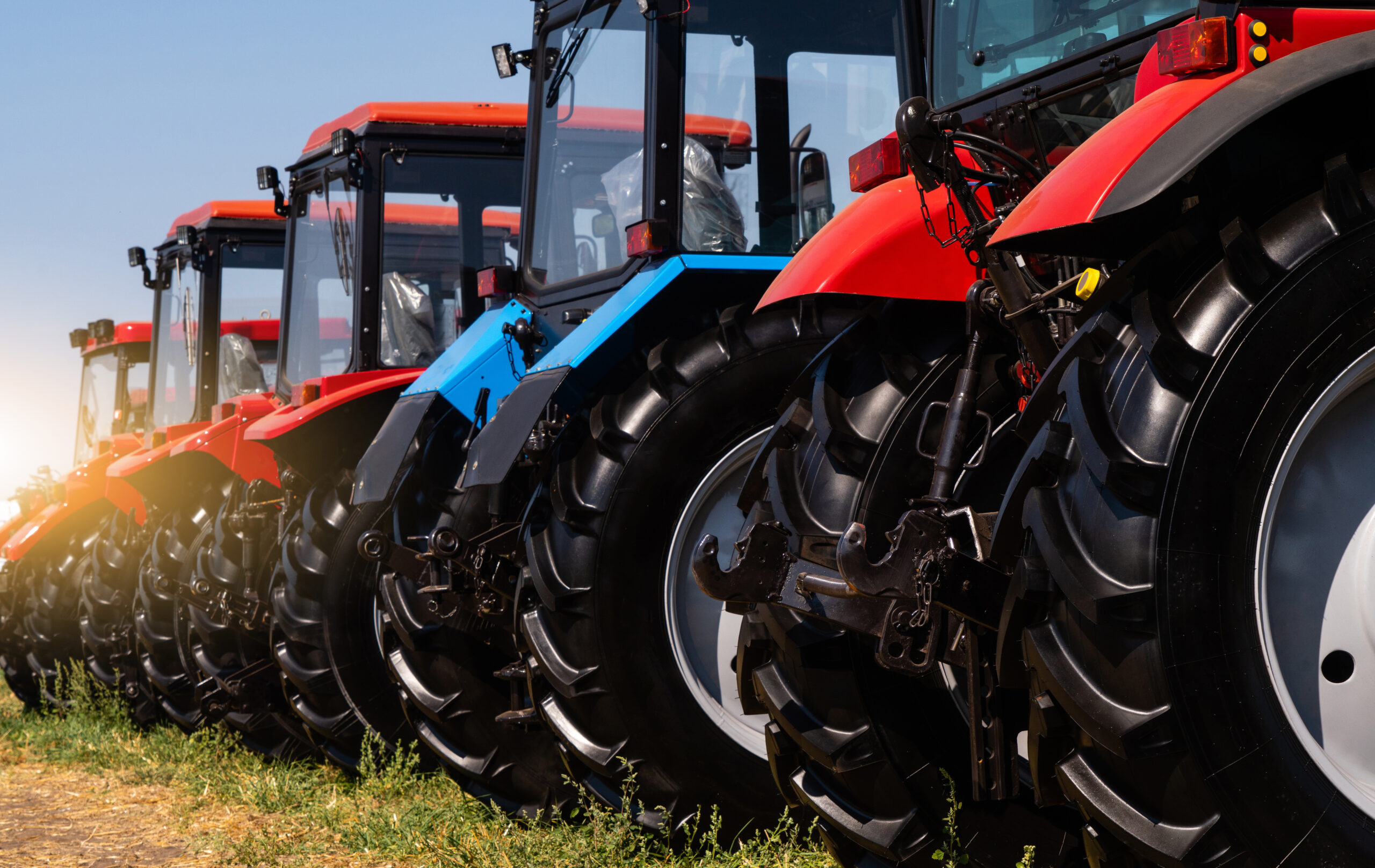
Farm fleet refers to multiple vehicles used as part of agricultural operations, often including tractors, trailers, utility vehicles, and transport equipment. These vehicles work together across daily farming tasks such as planting, harvesting, and livestock management. We help review how each vehicle is used so the overall structure reflects real operations. Different insurers may approach fleet arrangements in different ways, so understanding detail is important. The aim is to bring clarity to how vehicles are managed across the holding rather than treating each one in isolation, supporting a more practical view of agricultural transport and operational needs.
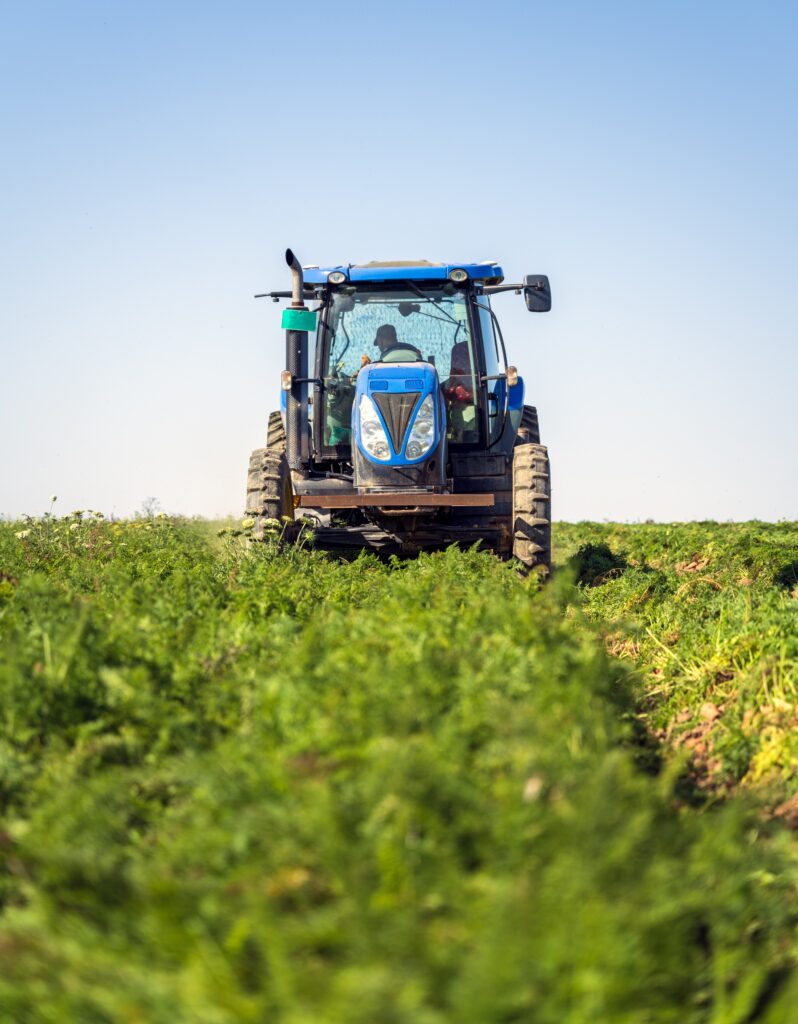
Farm vehicles often operate in environments that differ from standard road use, including fields, tracks, and farmyards. This means their use can be more complex than typical vehicle arrangements. We help review how each vehicle is used in practice so these differences are understood clearly. The way insurers approach agricultural vehicles can vary, so detail matters. The focus is on reflecting how your fleet operates day to day rather than applying assumptions. This helps create arrangements that align with your real farming activity, including seasonal use, varying drivers, and mixed on and off-road movement across rural environments.
Managing multiple farm vehicles involves understanding how each one is used and how they interact across daily operations. Some may be used seasonally, while others operate continuously throughout the year. We help review the full fleet so usage patterns are clear and properly represented. This allows arrangements to reflect the reality of how work is carried out across the holding. Different insurers may structure fleet arrangements differently, so clarity is important. The aim is to simplify management while keeping everything aligned with operational needs, supporting smooth coordination across vehicles used in agricultural work and rural transport activities.
If a vehicle is damaged, the response depends on the situation and insurer process. The first step is usually to gather clear information about what happened and report it as soon as possible. We can support this by helping you understand what details are needed and how to communicate effectively. Our teammates also help interpret policy wording and next steps during the process. The aim is to keep things clear and manageable during disruption. Regular review of fleet arrangements can also help reduce uncertainty by ensuring vehicle details remain accurate and aligned with how your farm operates in practice.