Are You Aware of Subsidence?
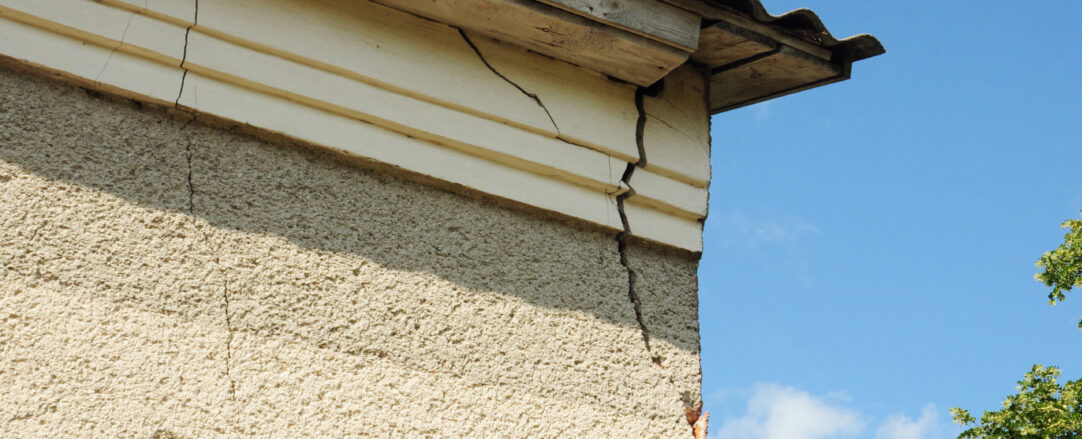
Recently, the British Geological Survey (BGS) highlighted the potential risk of subsidence to impact millions of homes. The risk of subsidence increases with hotter, drier summers following warmer, wetter winters – both of which are predicted to continue.
Subsidence refers to the shrink-swell ground movement which can reduce the stability of properties and cause movement of walls and floors and leading to cracking. If left untreated, it could cause significant structural impact and become dangerous.
How to Spot Signs of Subsidence
Cracks usually appear suddenly, especially after a long dry spell and may have the following characteristics:
- Cracks that are more than 3mm thick (thicker than a 10p coin).
- Spread diagonally, and wider at the top and slimmer at the bottom.
- They often spread from ground level, upwards.
- You can see the crack from both inside and outside the house.
- Often found close to doors and windows.
- The crack spreads under the damp-proof course. This is a layer of waterproof material in the wall of a building near the ground, used to prevent rising damp.
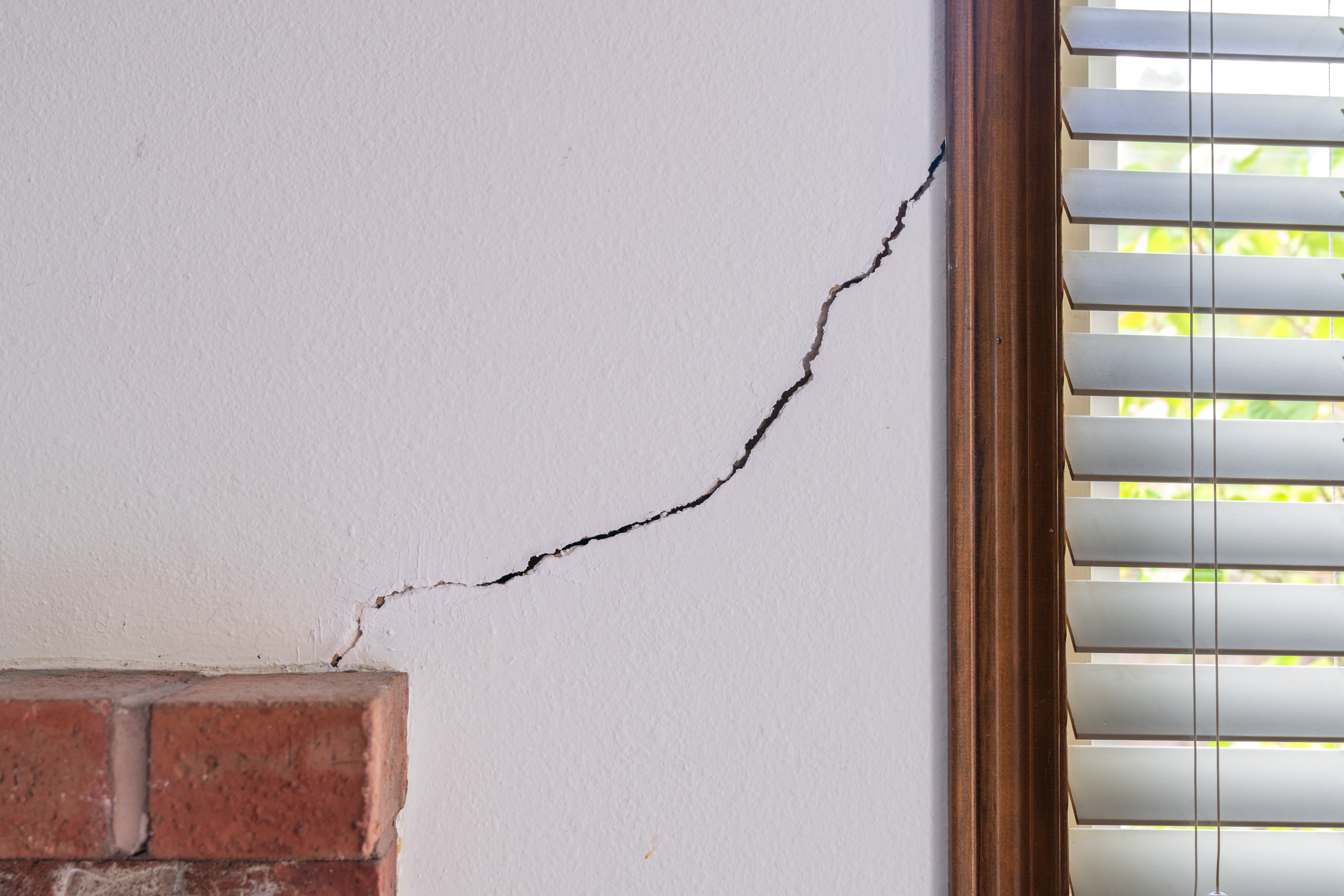
Other signs of subsidence may include:
- Wallpaper creasing at the joins and where the wall meets the ceiling.
- Doors and windows sticking as frames warp.
- Cracks where an extension joins the house.
If you notice some of these subsidence signs, then it’s important to get some advice to tackle the issue as soon as possible. You should also contact your insurer, as your cover may extend to provide support.