Cost Pressure Is Harder to Manage
Than Demand Fluctuation

In Hospitality, busy doesn’t always mean profitable.
Restaurants, pubs, hotels and leisure venues across the UK continue facing strong customer demand in many areas, yet financial pressure remains a daily operational challenge. Full bookings and high footfall no longer automatically translate into stable margins.
For many hospitality businesses, the real difficulty in 2026 is not attracting customers – it is managing rising operational costs while maintaining service standards, staffing consistency and day-to-day resilience.
The industry has always operated within tight margins, but several long-term pressures are now overlapping at the same time. Wage increases, energy volatility, supplier price fluctuations and workforce turnover are all influencing how businesses operate behind the scenes.
At the same time, reduced training time and stretched management structures are creating wider operational risks that extend beyond profitability alone.
Many hospitality claims do not begin with major incidents. They often develop gradually through inconsistent supervision, rushed onboarding, maintenance delays or communication breakdowns during busy periods.
In hospitality, operational pressure and risk management are closely connected.
Skills Gaps Are Widening Across the Industry
One of the biggest challenges hospitality businesses continue facing is the loss of experienced workers across the sector.
Many long-serving employees left the industry in recent years, and replacing that experience has proven difficult. As a result, some businesses are operating with younger or less experienced teams while simultaneously managing high customer expectations.
This creates pressure across several areas:
- Training consistency
- Shift supervision
- Service standards
- Food safety procedures
- Incident reporting
- Security awareness
- Equipment handling

Experienced teammates often carry operational knowledge that is difficult to replace quickly. They understand how venues function during peak trading periods, how to identify developing problems early and how to manage unexpected situations calmly.
When that experience leaves the business, operational strain can increase quietly in the background.
The issue is not simply recruitment. It is the widening gap between operational responsibility and available experience levels within teams.
Increased Reliance on Temporary or Short-Term Workers

Many hospitality businesses are now relying more heavily on temporary workers, seasonal workers and short-term staffing arrangements to maintain operations.
While flexible staffing can help businesses respond to fluctuating demand, it can also create inconsistency if onboarding and supervision processes become compressed.
Temporary workers may be unfamiliar with:
- Site layouts
- Emergency procedures
- Security processes
- Manual handling expectations
- Cleaning routines
- Equipment usage
- Incident escalation procedures
During busy service periods, there is often limited time for detailed induction or oversight. Teams may simply focus on maintaining operational flow.
However, inconsistent onboarding can contribute to incidents later, particularly where communication gaps or procedural misunderstandings exist.
This becomes increasingly important when reviewing employers’ liability and public liability exposures.
Following incidents, insurers may examine whether businesses maintained appropriate training, supervision and operational procedures – even during high-pressure trading periods.
Training Time Is Shrinking Due to Rota Pressure
Hospitality businesses often operate under immediate operational demands. When venues are busy or understaffed, training can become difficult to prioritise consistently.
Managers balancing labour budgets and rota gaps may focus on maintaining service continuity first, particularly during peak periods.
As a result:
- Inductions may become shortened
- Refresher training may be delayed
- Procedures may be explained informally
- Safety discussions may become reactive rather than planned
This can gradually create inconsistencies across teams.

In many hospitality environments, operational shortcuts are rarely introduced intentionally. Instead, they emerge through time pressure and workload accumulation.
A new starter shown “the quickest way” during a busy shift may unknowingly continue unsafe or inconsistent practices later.
Over time, these smaller operational compromises can increase the likelihood of accidents, customer complaints or employee incidents.
Insurance Solutions
You Can Trust
Helping Hospitality Businesses
Navigate Change
As hospitality businesses navigate rising costs, workforce pressures and changing operational demands, explore specialist insurance solutions tailored to the realities of your business.
Supervisors Are Often Promoted Before Fully Ready
The hospitality sector frequently promotes internally, particularly where experienced managers are difficult to recruit externally.
While internal progression supports retention and development, newer supervisors may find themselves managing operational responsibilities before they have fully developed leadership or risk management experience.
This can become particularly challenging during periods involving:
- Staff shortages
- High customer demand
- Difficult customer behaviour
- Incident escalation
- Shift disruption
- Compliance concerns

Operational leadership in hospitality involves more than service management. Supervisors are often expected to manage health and safety, staffing issues, customer complaints, maintenance concerns and emergency situations simultaneously.
Without adequate support structures, decision-making can become inconsistent under pressure.
This is important because many incidents are not linked to isolated mistakes alone. They develop through combinations of small operational gaps occurring at the same time.
Wage Costs Continue Staying Elevated
Labour costs remain one of the largest operational pressures across hospitality businesses in 2026.
National wage increases, recruitment competition and retention challenges continue affecting payroll structures throughout the sector.
For some businesses, this creates difficult balancing decisions around:
- Staffing levels
- Opening hours
- Shift coverage
- Overtime usage
- Training allocation
- Maintenance scheduling

The pressure to control labour expenditure can sometimes influence operational choices indirectly.
For example, reduced staffing levels may increase workload intensity for existing teams, particularly during busy periods. This can affect supervision quality, response times and overall operational consistency.
Businesses are also balancing customer expectations against rising operating costs, which places additional strain on management teams trying to maintain service standards without significantly increasing prices.
Energy Prices Remain Volatile
Energy volatility continues affecting hospitality businesses across the UK.
Hotels, restaurants and leisure venues often rely heavily on refrigeration, ventilation, heating, lighting and kitchen equipment throughout extended operating hours.
Even relatively small energy price shifts can have noticeable financial impact across:
- Commercial kitchens
- Refrigeration systems
- Laundry facilities
- Climate control systems
- Lighting infrastructure
Some businesses have delayed planned upgrades or maintenance work due to financial pressure, while others continue operating older equipment for longer periods.
However, maintenance deferrals can sometimes create wider operational concerns if equipment reliability deteriorates over time.
Unexpected equipment failures may interrupt trading, increase safety risks or create additional repair costs during already pressured trading periods.
Supplier Pricing Is Changing With Little Warning
Hospitality supply chains remain unpredictable in many areas.
Food costs, beverages, imported goods and consumables can all fluctuate quickly depending on wider economic conditions, transport issues and supplier availability.
This creates planning challenges because businesses may struggle to forecast costs consistently over longer periods.
Supplier volatility can influence:
- Menu pricing
- Stock management
- Purchasing decisions
- Product substitutions
- Cash flow management
Operational pressure often increases when businesses attempt to absorb rising costs without adjusting wider structures.
Smaller adjustments made repeatedly over time can gradually affect operational resilience if margins continue tightening.
Fixed Overheads Limit Flexibility
Many hospitality businesses operate with significant fixed monthly costs regardless of trading conditions.
These may include:
- Rent
- Business rates
- Finance agreements
- Utilities
- Licensing costs
- Payroll commitments
Even where customer demand remains steady, rising fixed overheads can reduce flexibility when unexpected operational challenges emerge.
This becomes particularly difficult during periods involving:
- Equipment breakdowns
- Staffing shortages
- Supply chain disruption
- Seasonal fluctuations
- Unplanned maintenance
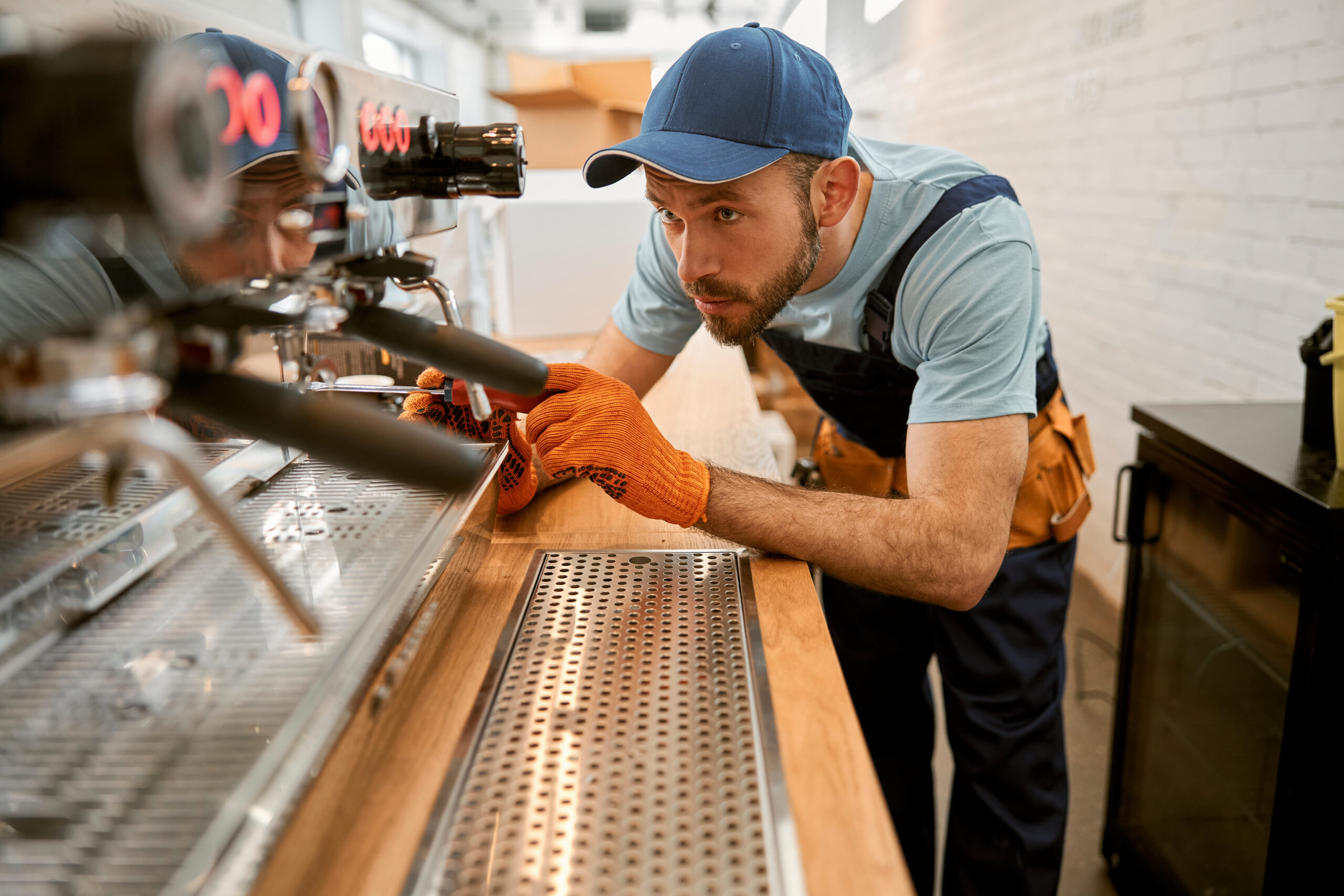
Financial pressure can sometimes encourage businesses to postpone maintenance, reduce training frequency or operate with leaner staffing structures than originally intended.
While understandable commercially, these decisions can gradually increase operational exposure over time.
People Problems Are Operational Problems
In hospitality, workforce challenges do not stay isolated within HR departments.
Staff shortages, inconsistent training and stretched supervision can affect every area of daily operations – from customer experience through to safety management and incident response.
Inadequate training and supervision are regularly linked to employers’ liability and public liability claims across the sector.
Under pressure, businesses may unintentionally reduce focus on areas such as:
- Routine maintenance
- Refresher training
- Security procedures
- Equipment inspections
- Incident documentation
The difficulty is that operational pressure rarely arrives through one major disruption. It usually builds gradually through smaller compromises made over time.
Recognising these pressures early allows businesses to review where operational strain may be affecting consistency across teams, processes and decision-making.
Why Operational Resilience Matters
Hospitality businesses have always adapted quickly to changing trading conditions. However, in 2026 the challenge is no longer simply responding to fluctuating customer demand.
The wider issue is maintaining operational stability while navigating ongoing cost pressure, workforce challenges and tighter margins.
Many claims and operational disruptions now stem from process weaknesses rather than isolated incidents. Training gaps, stretched supervision and delayed maintenance can all contribute to wider problems if pressure continues building unchecked.
Reviewing operational structures regularly – including staffing, supervision, maintenance and training processes – can help hospitality businesses identify where smaller issues may be gradually increasing exposure across day-to-day operations.