Key Risks Marine Businesses
Need to Be Aware Of
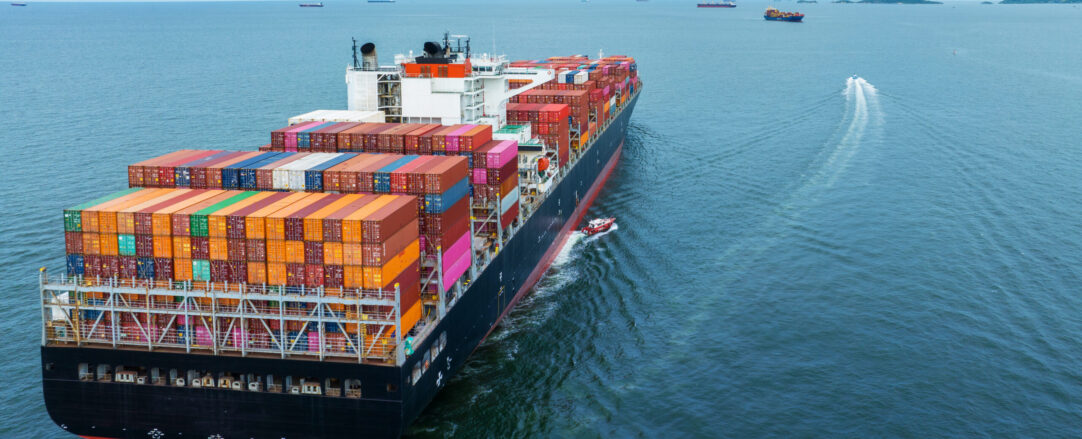
Most serious marine losses don’t start with storms – they start with routine decisions.
Across the marine sector, operational pressure often builds gradually rather than through one major event. Tight schedules, ageing equipment, staffing changes and commercial demands can all influence day-to-day decision-making onboard and ashore.
For many marine businesses, the challenge is not simply responding to extreme weather or large-scale incidents. Increasingly, it is managing the smaller operational habits that slowly shape risk exposure over time.
A delayed maintenance task, incomplete incident record or temporary workaround may appear manageable in isolation. However, when several operational gaps combine, the consequences can become far more significant.
Marine operations rely heavily on consistency. When procedures begin varying between crews, vessels or sites, risks can develop quietly in the background.
Informal Maintenance Practices
Maintenance standards play a major role in marine risk management, yet informal working practices still develop across parts of the sector.
Under commercial pressure, businesses may prioritise operational continuity over planned maintenance scheduling – particularly when vessels are needed to maintain contracts, deliveries or project timelines.
This can lead to situations where:
- Minor defects remain unresolved longer than intended
- Temporary repairs stay in place beyond original expectations
- Inspection routines become inconsistent
- Maintenance records lack detail
- Reporting procedures vary between crews

The issue is rarely deliberate neglect. More commonly, operational demands gradually shift attention towards keeping vessels active and projects moving.
However, marine environments place constant pressure on equipment, machinery and structural systems. Saltwater exposure, vibration, weather conditions and continuous operational use all accelerate wear over time.
Without structured maintenance oversight, smaller technical issues can develop into larger operational concerns later.
Insurers and investigators often review maintenance documentation closely following incidents involving machinery failure, structural damage or operational interruption.
Where records are incomplete or inconsistent, establishing timelines and decision-making processes can become more difficult.
Crew Changes Can Affect Operational Consistency
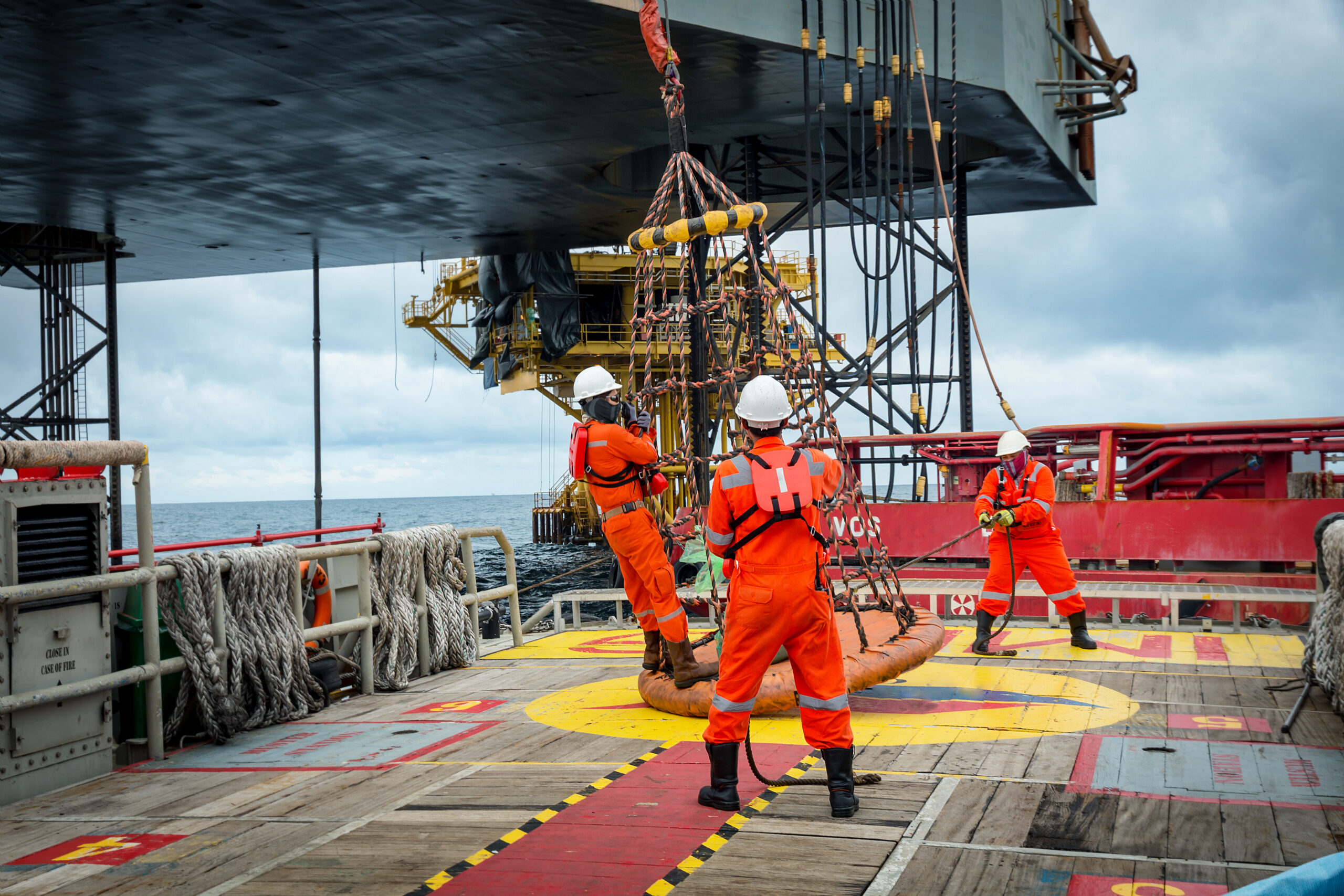
Crew turnover continues affecting many areas of the marine sector.
Changes in personnel can influence operational consistency, particularly where vessels rely heavily on informal knowledge transfer rather than documented procedures.
Experienced crew members often carry operational understanding that extends beyond written manuals. They know how vessels behave under different conditions, how equipment typically responds and which issues require closer monitoring.
When personnel change frequently, that operational continuity can become harder to maintain.
This may affect:
- Reporting standards
- Maintenance routines
- Communication consistency
- Safety procedures
- Equipment handling
- Emergency response familiarity
In some operations, crews may also rotate between vessels with differing layouts, systems or procedures. Without clear onboarding and familiarisation processes, assumptions can begin replacing structured communication.
The challenge is that operational inconsistencies do not always become visible immediately. Risks often build gradually through small variations in how procedures are interpreted or applied.
Pressure to Keep Vessels Operational Despite Defects
Commercial pressure remains one of the most significant operational influences within the marine sector.
Downtime can be costly. Delays may affect contracts, cargo schedules, project delivery or customer commitments. As a result, businesses sometimes face difficult decisions around whether vessels remain operational while defects are being monitored or managed temporarily.
Examples may include:
- Equipment operating below optimal condition
- Delayed component replacement
- Temporary mechanical workarounds
- Deferred maintenance scheduling
- Reduced inspection intervals during busy periods
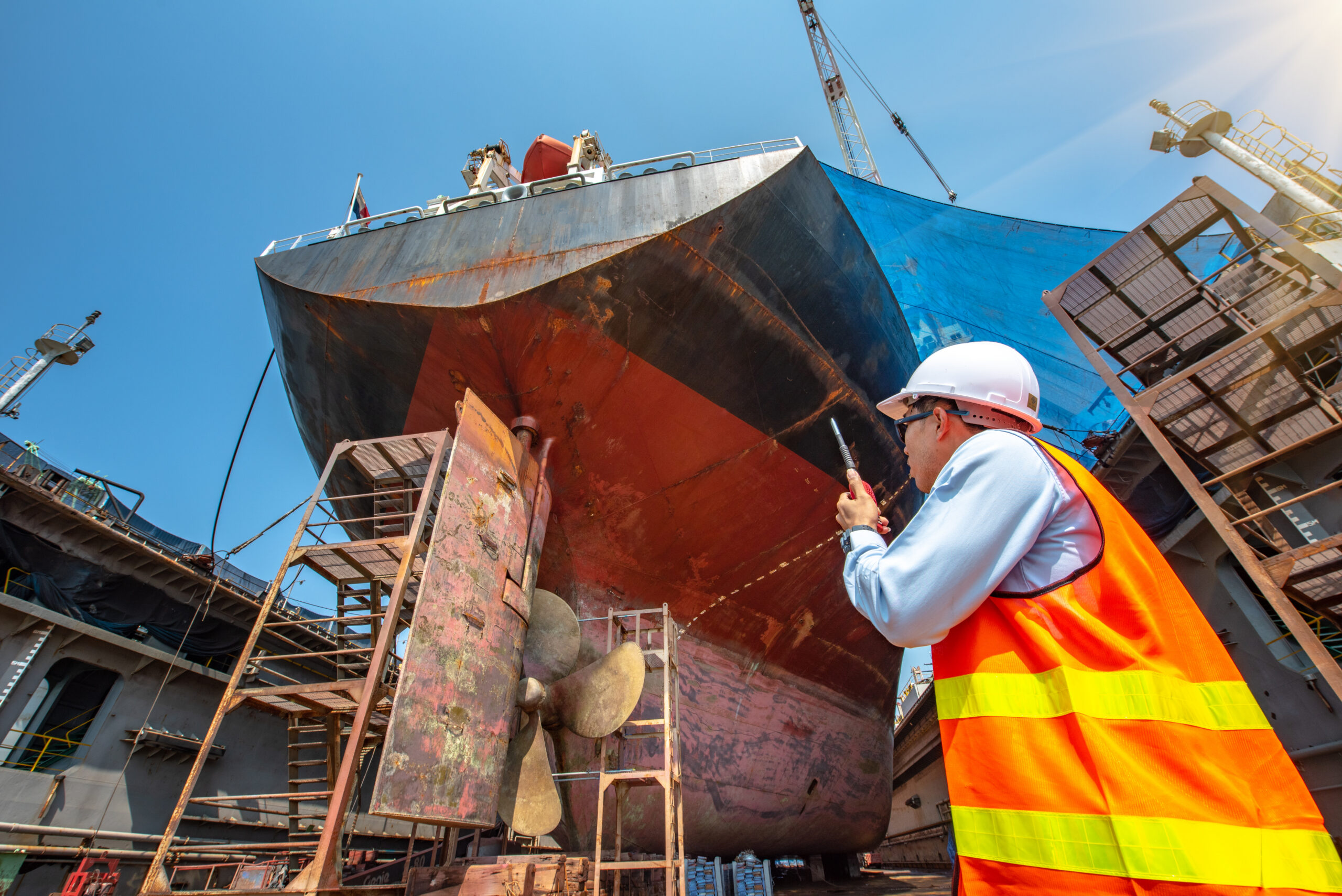
In many cases, decisions are made pragmatically based on operational realities. However, risk exposure can increase when temporary solutions gradually become accepted operational practice.
Marine incidents are often linked not to one major failure, but to combinations of smaller unresolved issues occurring simultaneously.
For example:
- A maintenance issue may already exist
- Communication around the defect may be incomplete
- Crew familiarity with workaround procedures may vary
- Environmental conditions may then add additional pressure
Individually, each factor may appear manageable. Together, they can create a far more serious operational situation.
Insurance Solutions
You Can Trust
Supporting Businesses
Across the Marine Sector
Whether operating on water or ashore, explore specialist insurance solutions designed to reflect the unique risks and responsibilities of marine operations.
Incomplete Incident Reporting
Incident reporting remains one of the most underestimated operational controls across many industries, including marine.
Smaller incidents, near misses or equipment concerns are sometimes handled informally without detailed documentation – particularly during busy operational periods.
This may happen because crews:
- View issues as minor
- Resolve problems quickly onboard
- Wish to avoid operational delays
- Assume issues are already understood internally
However, incomplete reporting can create wider problems later.
Incident records help businesses:
- Identify recurring operational patterns
- Monitor equipment reliability
- Review procedural effectiveness
- Track emerging safety concerns
- Demonstrate operational oversight
Without consistent reporting, early warning signs may be missed.
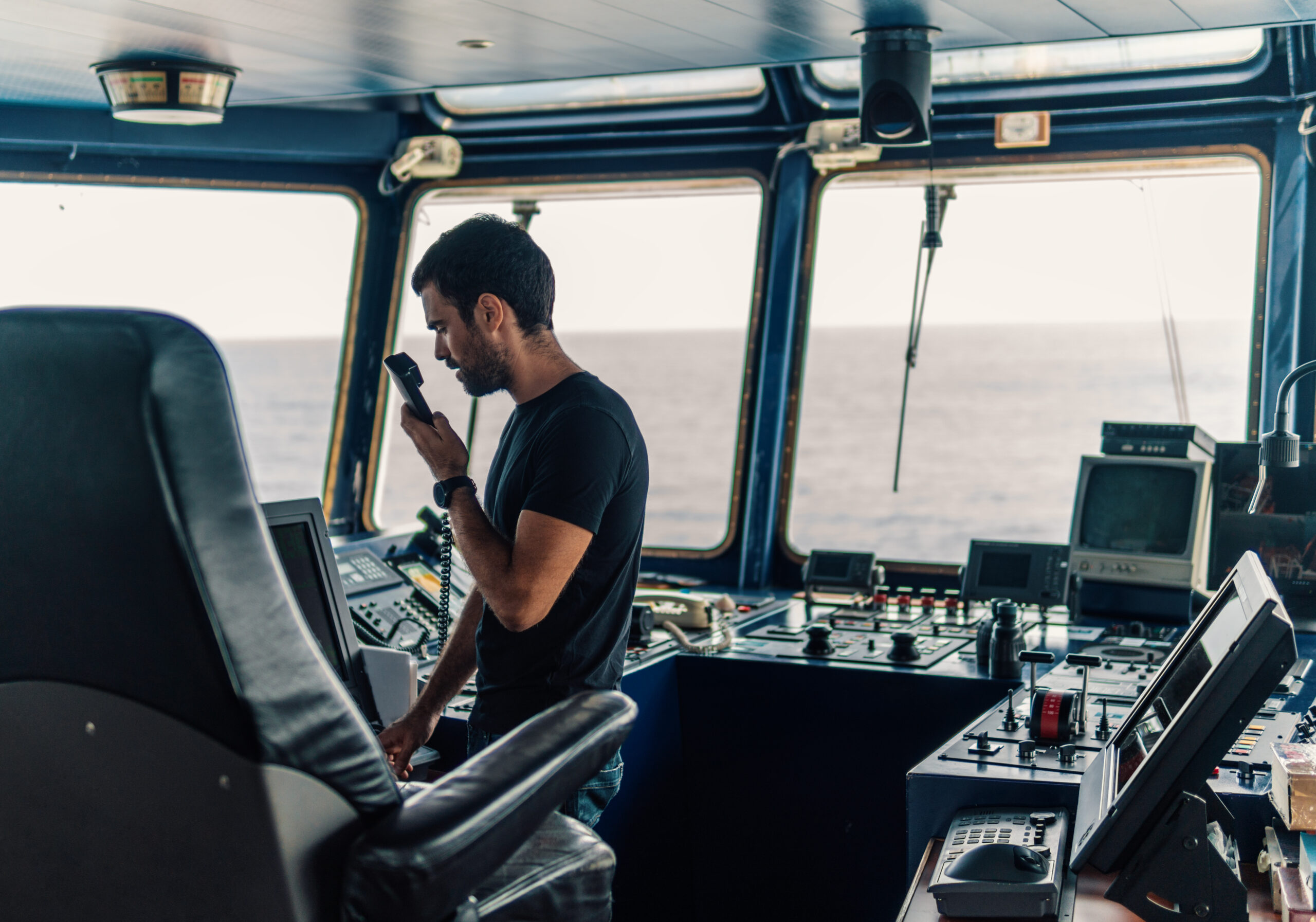
This becomes particularly important following larger incidents or liability disputes, where insurers and investigators often examine whether previous concerns had been identified earlier.
Poor reporting practices can also affect claim outcomes if operational records fail to demonstrate how issues were monitored, escalated or addressed over time.
Operational Experience Alone Is Not Always Enough
Marine industries have long relied on practical experience and operational judgement. These remain extremely important across vessel operations, engineering and marine logistics.
However, operational experience alone can create vulnerabilities if businesses become overly dependent on informal systems or unwritten processes.
For example:
- Procedures may vary between individuals
- Important knowledge may remain undocumented
- Temporary practices may gradually become normalised
- Decisions may rely heavily on memory rather than recorded processes

As businesses expand or crews change, inconsistencies can increase if procedures are not clearly structured and documented.
Marine operations today are also subject to growing scrutiny from regulators, clients and insurers around operational governance and record management.
This means businesses are increasingly expected to demonstrate not only practical capability, but also structured operational oversight.
Maintenance and Reporting Often Influence Claim Outcomes
Hull, machinery and liability claims frequently involve detailed examination of maintenance history and reporting procedures.
Following incidents, insurers may assess:
- Inspection records
- Repair schedules
- Defect reporting processes
- Maintenance decision timelines
- Crew communication procedures
- Operational logs
Where documentation is inconsistent, understanding exactly how operational decisions were made can become more difficult.
This does not mean every maintenance issue leads directly to claim complications. However, incomplete records can weaken visibility around how risks were managed before an incident occurred.
Strong documentation standards help create a clearer operational picture over time.
The Risk of Normalising Smaller Problems
One of the more difficult operational challenges in marine environments is the gradual normalisation of smaller issues.
When teams operate under pressure for extended periods, temporary solutions can slowly become accepted routine practice.
This may involve:
- Running equipment with known limitations
- Delaying lower-priority maintenance
- Informal reporting processes
- Reduced procedural checks
- Assumptions between crews during handovers
Because these adjustments develop gradually, they may not initially feel significant operationally.
However, risk exposure often increases incrementally rather than suddenly.
Many serious marine incidents involve a chain of smaller decisions and overlooked concerns rather than one isolated failure.
Recognising these patterns early is an important part of maintaining operational resilience.
Why Marine Risk Requires Ongoing Review
Marine operations are constantly changing.
Crew structures evolve, commercial demands shift and vessels operate under varying environmental conditions throughout the year. Risks that appear manageable during one operational period may look very different under different workload, staffing or weather conditions.
Regular operational reviews can help businesses identify where pressures may be gradually affecting:
- Maintenance consistency
- Reporting standards
- Crew communication
- Operational oversight
- Equipment reliability
- Procedural discipline
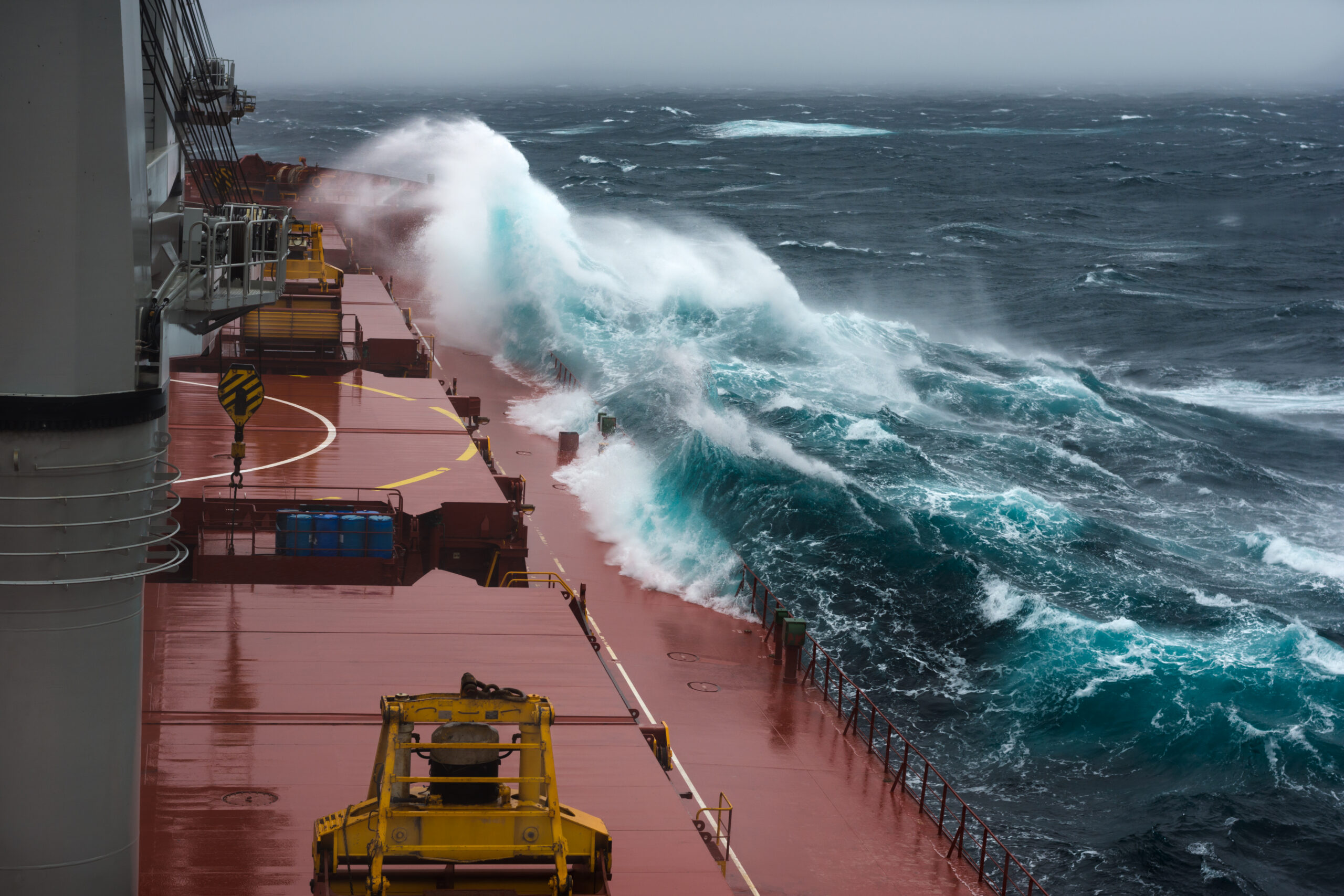
The goal is not eliminating every operational challenge. Marine industries will always involve complex environments and changing conditions.
Instead, the focus is often on identifying where smaller operational compromises may be quietly increasing exposure over time.
Managing Marine Risk More Effectively
Most significant marine losses develop long before the final incident itself.
They often begin through routine decisions made under operational pressure – delayed maintenance, inconsistent reporting, temporary workarounds or assumptions that existing processes remain sufficient.
As scrutiny around operational governance continues increasing across the marine sector, businesses are placing greater emphasis on documentation, procedural consistency and ongoing risk review.
Strong operational processes cannot remove every challenge from marine operations. However, they can help businesses identify where smaller gaps may otherwise develop into much larger problems later.