The Risks Contractors Are Still Underestimating in 2026

Most project problems in 2026 don’t start with accidents – they start with assumptions. Most 2026 construction claims aren’t caused by big accidents – they’re caused by small gaps in paperwork.
Construction businesses have always worked under pressure, but in 2026 the pressure points look different. Rising material costs, programme compression, labour shortages and increasingly layered contracts are creating risks that are less visible than traditional site hazards.
Many contractors already understand the importance of physical site safety. However, some of the most expensive disputes now develop long before an incident takes place. They begin through undocumented changes, unclear responsibilities, rushed communication or assumptions that everyone involved interprets the project scope the same way.
The challenge is that these issues often appear manageable at the time. A quick verbal instruction, a temporary labour adjustment or a delayed drawing revision may not seem significant in isolation. Yet when delays, defects or payment disputes emerge later, those smaller gaps can become difficult to untangle.
In construction, paperwork does not just record the job – it shapes responsibility when projects become contested.
Verbal Changes Becoming Unpaid Scope
Few projects finish exactly as originally planned.
Clients request amendments, specifications evolve and site conditions regularly force adjustments during delivery. The problem is not necessarily that changes happen – it is how those changes are recorded.
Verbal instructions remain one of the most underestimated risks in construction.
Site teams often make practical decisions quickly to maintain progress, particularly when programmes are tight. Contractors may proceed with additional works before revised costs, timescales or responsibilities are formally agreed.
Initially, this can feel commercially sensible. Delaying works for paperwork can create frustration across the project team. However, if changes are not documented clearly, disagreements later become far more difficult to resolve.
Common issues include:
- Additional labour not formally approved
- Design alterations communicated informally
- Scope changes discussed during site meetings but not recorded
- Material substitutions agreed verbally
- Programme acceleration requests without revised terms

Once projects become delayed or relationships deteriorate, these undocumented decisions often move to the centre of disputes.
If it is not scoped, priced and recorded, responsibility can quickly become blurred.
Clear variation procedures help create structure around evolving project requirements. Even straightforward email confirmation can make a significant difference later if disagreements emerge around cost, timing or accountability.
Late Design Information Still Driving Rework

Despite advances in project coordination technology, delayed or incomplete design information continues affecting construction projects across the sector.
Contractors are frequently expected to maintain progress even where technical information arrives late or changes midway through installation phases.
This creates several operational pressures:
- Trades working around incomplete drawings
- Sequencing disruptions
- Material ordering complications
- Increased labour inefficiency
- Rework following revised specifications
The financial impact of rework is often underestimated because costs build gradually rather than through one major event.
For example, late-stage design amendments may trigger:
- Removal and replacement of completed works
- Additional access equipment costs
- Extended preliminaries
- Delayed subcontractor sequencing
- Storage or material wastage
In some cases, contractors absorb costs informally to preserve client relationships or maintain programme momentum. Over time, however, repeated rework can place significant strain on margins.
Design responsibility also becomes increasingly difficult to separate once contractors begin interpreting incomplete information independently.
Where assumptions fill documentation gaps, disputes can later arise around whether installation decisions aligned with intended design outcomes.
Maintaining detailed communication records around incomplete or delayed information can help create greater clarity if problems emerge later in the project lifecycle.
Insurance Solutions
You Can Trust
Stay Ahead of Emerging Contractor Risks
As construction risks continue to evolve, discover specialist insurance solutions designed to support contractors facing increasingly complex project, contractual and supply chain exposures.
Labour Shortages Creating Supervision Gaps
Labour shortages continue affecting many areas of the UK construction sector in 2026.
While recruitment challenges are widely discussed, the operational consequences are sometimes less visible. One growing issue is the impact workforce shortages are having on supervision standards and project oversight.
When experienced personnel become stretched across multiple sites, supervision gaps can develop gradually.
This may involve:
- Fewer senior operatives available on site
- Reduced oversight of subcontracted works
- Less time for quality inspections
- Inconsistent induction processes
- Compressed handovers between teams

In busy periods, projects often prioritise maintaining programme continuity. However, reduced supervision can increase the likelihood of installation inconsistencies, communication breakdowns and procedural shortcuts.
The challenge is not necessarily isolated mistakes. It is the cumulative effect of multiple small oversights occurring simultaneously across projects.
Insurers and clients are also paying closer attention to operational management standards, particularly following claims involving workmanship disputes or procedural failures.
Construction businesses relying heavily on temporary labour or rapidly assembled site teams may face additional scrutiny around how competency, supervision and project controls are managed.
Subcontractor Competence Scrutiny Is Increasing
Main contractors and developers are increasingly examining subcontractor competence in greater detail.
This extends beyond qualifications alone. Businesses are being asked to demonstrate:
- Operational procedures
- Training standards
- Health and safety management
- Previous project experience
- Documentation controls
- Financial stability
- Quality assurance processes
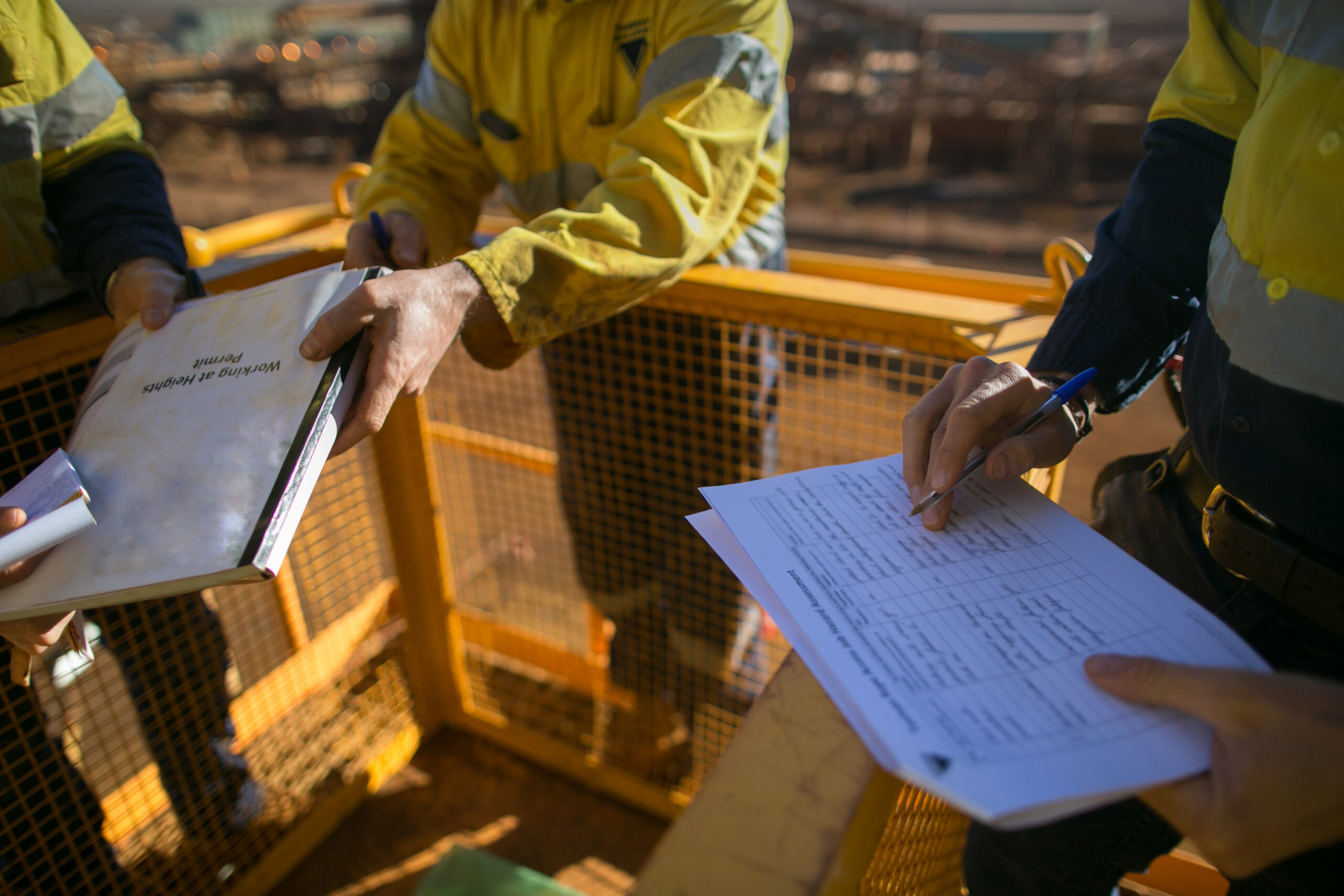
In some sectors, subcontractor selection is becoming as much about risk management structure as technical capability.
Following incidents or defects, investigators and insurers often review whether reasonable steps were taken during subcontractor appointment and oversight.
This is particularly relevant where labour shortages have tightened supply chains and increased reliance on unfamiliar subcontract teams.
Pressure to secure labour quickly can sometimes reduce scrutiny during onboarding. Yet where workmanship disputes later arise, documentation around competence checks and supervision may become highly important.
Construction businesses are also seeing greater contractual transfer of responsibility relating to subcontractor management.
That means contractors may face exposure not only for their own operations, but also for failures linked to parties operating under their control.
Assumptions Continue Creating Risk
Many modern construction disputes share a common feature – assumptions made early in the project eventually become contested responsibilities later.
Examples include:
- Assuming scope changes were understood by all parties
- Assuming incomplete drawings would not materially affect works
- Assuming temporary fixes would remain temporary
- Assuming another contractor held responsibility
- Assuming verbal agreements would later be honoured
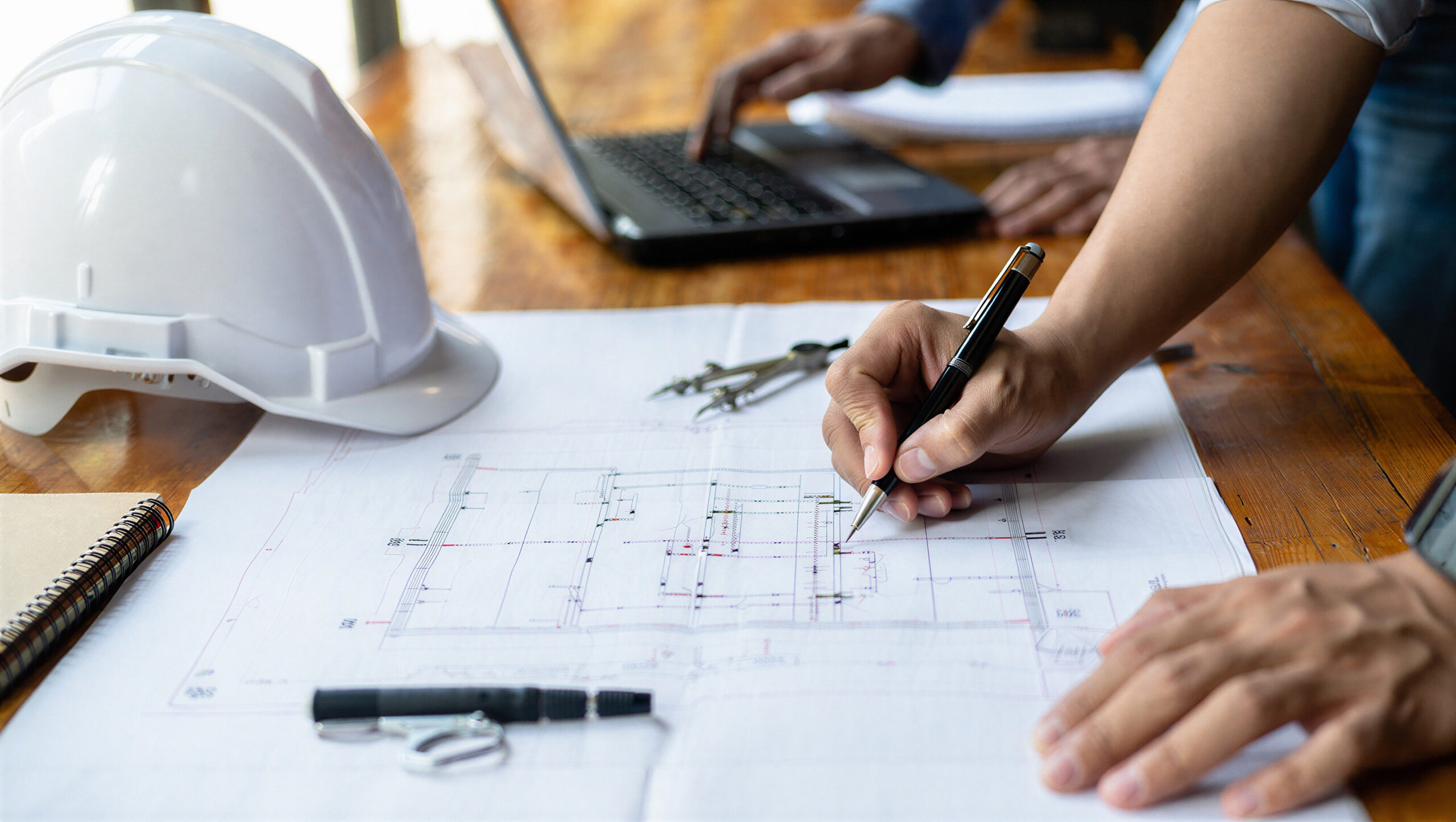
Construction projects move quickly, and commercial pressures often reward speed over process. However, assumptions create risk when projects become delayed, relationships deteriorate or financial pressures increase.
Documentation is not simply administrative protection. It creates clarity around expectations, decision-making and accountability.
Without clear records, contractors can find themselves carrying responsibilities they never intended to accept formally.
Why Small Gaps Create Bigger Problems
The most disruptive construction claims are not always dramatic incidents.
Increasingly, they involve cumulative issues that develop gradually through:
- Poor communication
- Incomplete records
- Unclear responsibility allocation
- Delayed decisions
- Weak project controls
These problems often remain hidden while projects are progressing. Pressure to maintain momentum can mask operational weaknesses until disputes, defects or payment concerns emerge later.
At that stage, reconstructing decisions retrospectively becomes difficult.
This is one reason insurers are increasingly interested in operational process quality, not just physical site hazards.
Risk is now viewed more broadly across areas such as:
- Documentation standards
- Contract management
- Design coordination
- Supervision structures
- Communication procedures
- Change management controls
The businesses adapting most effectively are often those treating operational discipline as part of project delivery rather than separate administration.
What Contractors Need to Consider in 2026
Construction risk in 2026 looks different from previous years.
While physical safety remains critical, many costly disputes now develop through operational gaps that initially appear minor or manageable. Verbal instructions, delayed design information, stretched supervision and unclear subcontractor accountability are creating pressure across projects of every size.
The challenge for contractors is not eliminating every risk. It is recognising where assumptions, informal processes and incomplete records may gradually increase exposure over time.
Projects move quickly, but responsibility tends to move even faster when disputes arise. Clear documentation, structured communication and realistic assessment of operational pressures are becoming increasingly important in helping contractors navigate modern construction risk more effectively.