Electric Vehicles: A New Risk Landscape for Motor Traders

EVs don’t just change what you sell – they change how risks behave.
Electric vehicles are becoming a larger part of the UK motor trade market every year. From independent dealerships through to repair centres and vehicle storage sites, businesses across the sector are adapting to changing customer demand and evolving vehicle technology.
However, electric vehicles introduce operational considerations that differ significantly from traditional petrol and diesel models.
For motor traders, this is not simply a shift in inventory. EVs affect premises risk, handling procedures, technician requirements, fire exposure and operational planning. In many cases, businesses are still adjusting procedures that were originally designed around conventional vehicles.
The challenge is that EV-related risks do not always present themselves immediately. Much like other emerging operational exposures, smaller gaps in training, storage or handling can gradually increase risk over time.
As insurers continue reviewing how businesses manage electric vehicle operations, motor traders are facing greater scrutiny around procedures, documentation and site controls.
Charging Procedures Matter More Than Many Realise
Charging processes are becoming a routine part of motor trade operations, particularly for dealerships, workshops and vehicle preparation sites.
However, charging introduces several operational considerations that businesses may underestimate initially.
This includes:
- Location of charging points
- Electrical infrastructure capacity
- Supervision of charging vehicles
- Cable management
- Overnight charging arrangements
- Battery monitoring procedures
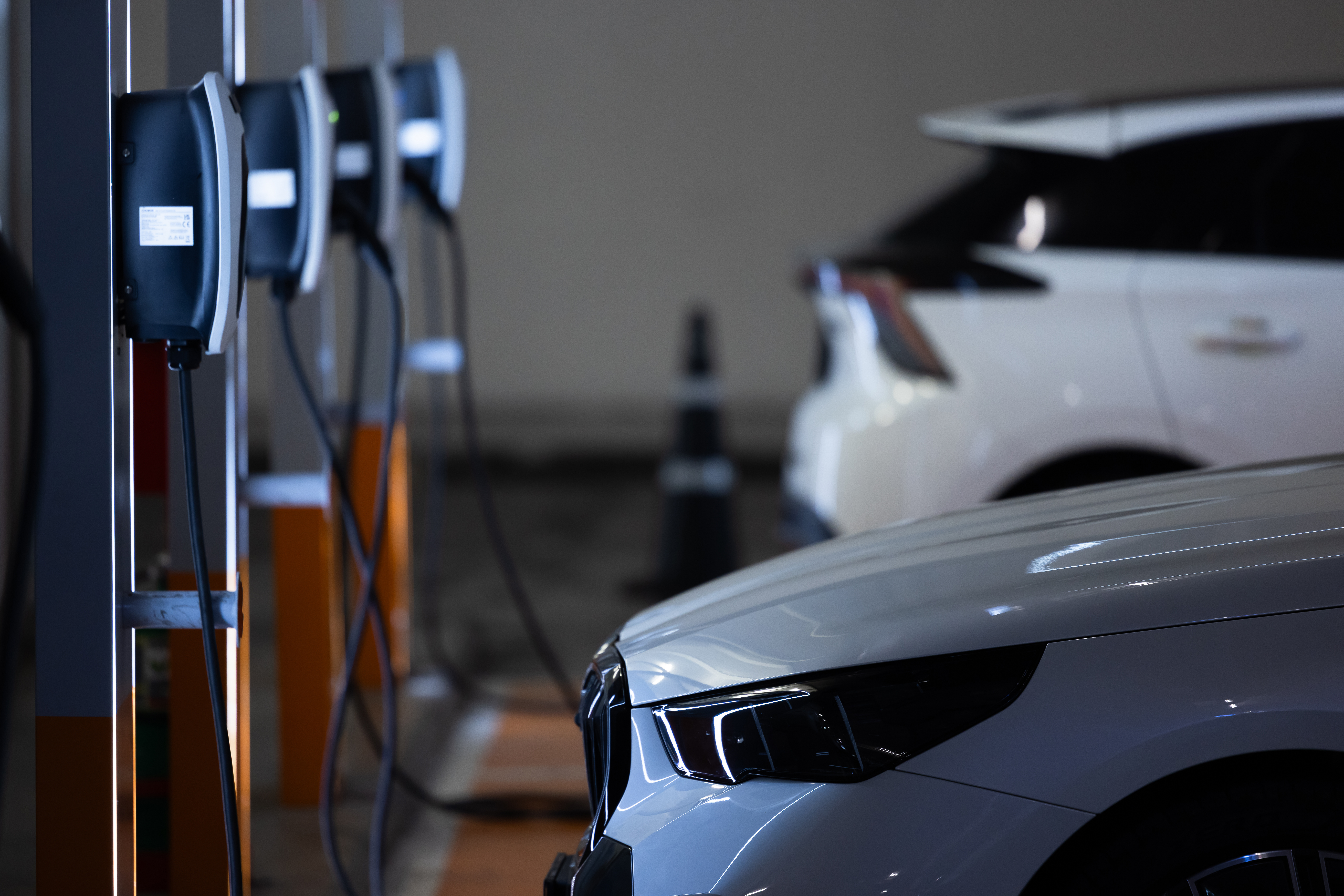
In some premises, charging infrastructure has been added gradually rather than as part of wider site redesign. As EV numbers increase, this can place additional strain on electrical systems originally intended for different operational demands.
Charging routines can also vary between people, particularly where formal procedures have not been fully established.
For example:
- Vehicles may remain charging longer than intended
- Damaged charging equipment may not be reported immediately
- Extension leads or temporary setups may be used informally
- Charging areas may become congested
Because EV charging becomes part of daily routine quickly, operational risks can sometimes become normalised over time.
Structured charging procedures help create greater consistency across vehicle handling and site management.
Battery Damage Creates Different Operational Concerns

Battery damage is one of the most important distinctions between EVs and traditional vehicles.
Even relatively minor impacts can affect battery systems in ways that are not immediately visible. A vehicle involved in a collision may appear stable initially while still presenting ongoing thermal or electrical concerns later.
For motor traders, this creates additional considerations around:
- Vehicle assessment
- Storage arrangements
- Transport decisions
- Workshop handling
- Isolation procedures
Post-incident handling is becoming a growing area of attention across the insurance and motor trade sectors.
Vehicles with suspected battery damage may require:
- Segregated storage
- Additional monitoring
- Specialist recovery handling
- Delayed movement decisions
- Manufacturer guidance review
The challenge is that battery-related risks do not always develop immediately after impact.
Thermal incidents can occur hours – or sometimes longer – after initial damage takes place. As a result, businesses handling accident-damaged EVs are reviewing procedures more carefully than in previous years.
Insurers are increasingly interested in whether businesses have clear operational processes for identifying and managing potentially compromised batteries.
Insurance Solutions
You Can Trust
Keeping Pace with Evolving
Motor Trade Risks
As vehicle technologies and operational risks continue to evolve, explore specialist insurance solutions designed to support motor trade businesses.
Storage and Fire Considerations Are Changing
Electric vehicles are also influencing how motor traders approach site layout and vehicle storage planning.
While EV fires remain relatively uncommon overall, the nature of battery-related fires differs from traditional vehicle fires in several important ways.
This affects considerations such as:
- Vehicle spacing
- Quarantine procedures
- Ventilation
- Fire response planning
- Recovery access
- Overnight storage arrangements

Businesses storing larger numbers of EVs may need to review whether existing premises layouts still reflect operational reality.
For example, sites originally designed for conventional stock movement may now be handling:
- Charging infrastructure
- Damaged EV quarantine areas
- Higher electrical demand
- Different recovery access requirements
Fire services and insurers are also developing their own approaches to EV-related incident response, which means operational expectations may continue evolving over time.
Motor traders are increasingly expected to demonstrate that storage arrangements reflect changing vehicle risk profiles rather than relying solely on historic site procedures.
Staff Familiarity Gaps Continue Across the Sector
The rapid growth of EV adoption means many businesses are still adapting operationally.
Not every technician, valeter, recovery driver or sales teammate will have the same level of familiarity with electric vehicle systems and associated procedures.
This creates potential inconsistency across areas such as:
- Vehicle movement
- Charging handling
- Damage identification
- Isolation procedures
- Emergency response
- Safe lifting and repair work

Operational familiarity often develops unevenly when technology changes quickly.
Some businesses have already invested heavily in EV-related training and infrastructure. Others are still adapting procedures gradually as EV stock levels increase.
The challenge is that assumptions can develop easily during transitional periods.
For example:
- Teams may assume someone else has completed battery checks
- Vehicles may be moved before damage assessment is fully complete
- Informal charging practices may emerge during busy periods
- Temporary storage arrangements may become routine
These issues are rarely caused by carelessness alone. More commonly, they develop through operational habits evolving faster than formal procedures.
EV Risks Affect More Than Workshops
Electric vehicle exposure is not limited to repair centres alone.
Dealerships, auction sites, fleet operators and vehicle storage facilities are all encountering operational changes linked to EV growth.
This includes broader considerations around:
- Site infrastructure
- Electrical systems
- Security procedures
- Recovery planning
- Vehicle transport
- Premises layout

Even businesses with relatively small EV stock levels may still face changing insurer expectations regarding operational controls and risk management procedures.
As electric vehicle adoption increases further, insurers are paying closer attention to how businesses are adapting operationally rather than simply whether EVs are present on site.
Why Insurers Are Paying Closer Attention
Motor trade insurers are increasingly assessing EV-related exposures differently from traditional vehicle operations.
This does not necessarily mean EVs are uninsurable or inherently problematic. However, they introduce different operational considerations that insurers want businesses to recognise and manage appropriately.
Areas attracting greater attention include:
- Fire management procedures
- Staff training standards
- Battery damage protocols
- Charging infrastructure
- Premises suitability
- Vehicle storage arrangements
Where businesses can clearly demonstrate structured operational processes, it becomes easier to present how EV-related risks are being managed within day-to-day operations.
As with many emerging risks, documentation and operational consistency are becoming increasingly important.
Small Operational Gaps Can Build Over Time
Many EV-related incidents do not begin through major failures.
Instead, they often involve combinations of smaller issues such as:
- Inconsistent charging practices
- Delayed reporting of damage
- Informal storage decisions
- Unclear responsibilities
- Incomplete procedures
Because EV operations are still evolving across much of the sector, businesses may not always realise where operational habits have drifted away from formal process.
This is particularly relevant during busy trading periods where speed and efficiency naturally become priorities.
However, routine shortcuts can gradually increase exposure if operational controls do not evolve alongside changing vehicle technology.
What Motor Traders Should Consider Moving Forward
Electric vehicles are reshaping operational risk across the motor trade industry.
The shift is not simply technological – it affects how businesses manage premises, train teammates, handle damaged vehicles and structure day-to-day operational procedures.
As EV numbers continue increasing, businesses are reviewing whether existing processes still reflect the realities of modern vehicle handling and storage.
For many motor traders, the key challenge is not reacting to one major change. It is recognising how multiple smaller operational adjustments can gradually alter risk exposure over time.
Clear procedures, consistent training and regular operational review can help businesses identify where EV-related risks may be developing across everyday operations.